One Of The Most Concerned Drugs in 2025
Functions and Effects
berberine hydrochloride
Berberine is an important drug ingredient with obvious antibacterial effects. It is mainly derived from plants such as Coptis chinensis and Phellodendron amurense. Commonly known as berberine hydrochloride, it can also be obtained through chemical synthesis.
The following are its main functions and effects
The regular products that we already produce.
Antibacterial and antiviral
Berberine has a broad-spectrum antibacterial effect and can inhibit the growth of various bacteria and fungi. It can resist pathogenic microorganisms and has inhibitory effects on bacteria, among which the effect on Shigella dysenteriae is the strongest.It is often used to treat digestive diseases like bacterial gastroenteritis and dysentery.
Anti-inflammatory
Berberine can inhibit inflammatory reactions and reduce inflammatory symptoms, playing a certain role in treating inflammatory diseases such as enteritis and arthritis.
Antioxidant
Berberine has antioxidant activity, which can neutralize free radicals and reduce oxidative damage, having a certain effect on preventing and delaying aging and protecting cardiovascular and cerebrovascular health.
Liver protection
Berberine can protect liver cells and promote liver cell regeneration, which is beneficial for treating liver diseases such as hepatitis and liver fibrosis.
Immune regulation and Treating arrhythmia
Berberine can regulate immune function and enhance the body's immunity, having a certain role in improving resistance and preventing infections.Berberine can prevent excessive blood flow velocity and can treat arrhythmia to a certain extent.
Blood pressure and blood sugar reduction
The alkaline substances in berberine can significantly lower blood sugar and prevent it from rising, effectively controlling the recurrence of high blood sugar.
production methods of berberine
extraction from natural plants
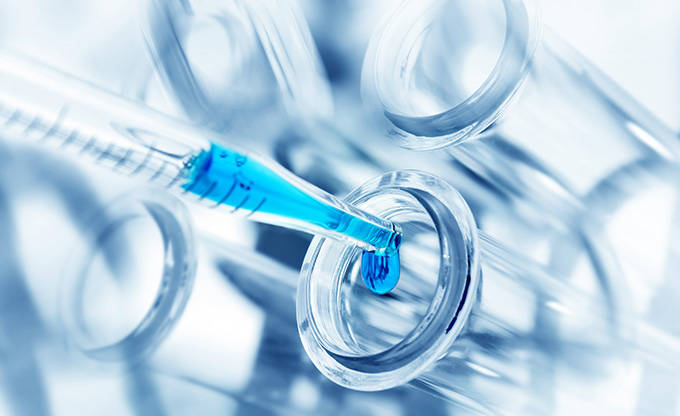
As for the extraction method from natural plants, it usually involves extracting the active ingredients from plants such as Coptis chinensis. This process is relatively complicated, and the specific steps vary according to different techniques. However, the core is to utilize solvents to extract the active ingredient berberine from Coptis chinensis.
chemical synthesis
Chemical synthesis is the main way of berberine production in China at present.The process involves the isomerization of catechol and oxidation to form piperonal. Subsequently, through chloromethylation, cyanation, and reduction, piperonylamine is obtained. Then it is condensed with o-veratraldehyde, and after catalytic hydrogenation, salt formation, cyclization, and alkalization, berberine is produced. Finally, berberine hydrochloride is obtained through treatment with hydrochloric acid.

Roadmap for berberine production by chemical synthesis method
Isomerization and oxidation of catechol
Using catechol as the starting material, form piperidine through
isomerization and oxidation reactions.
Subsequent reaction to generate piperidine ethylamine
Piperidine undergoes chloromethylation reaction.Then carry out nitrile reaction.After reduction reaction, obtain piperidine ethylamine.
Condensation with o-vanillin and subsequent treatment
Piperidine ethylamine undergoes condensation reaction with o-vanillin.
Catalytic hydrogenation of condensation product. Then carry out salification reaction.Then carry out cyclization reaction.
Carry out alkalization reaction again to make berberine.
Finally obtain berberine hydrochloride
Berberine is treated with hydrochloric acid to obtain berberine hydrochloride.Roadmap for berberine production by natural plant extraction method
Roadmap for berberine production by natural plant extraction method
Plant selection
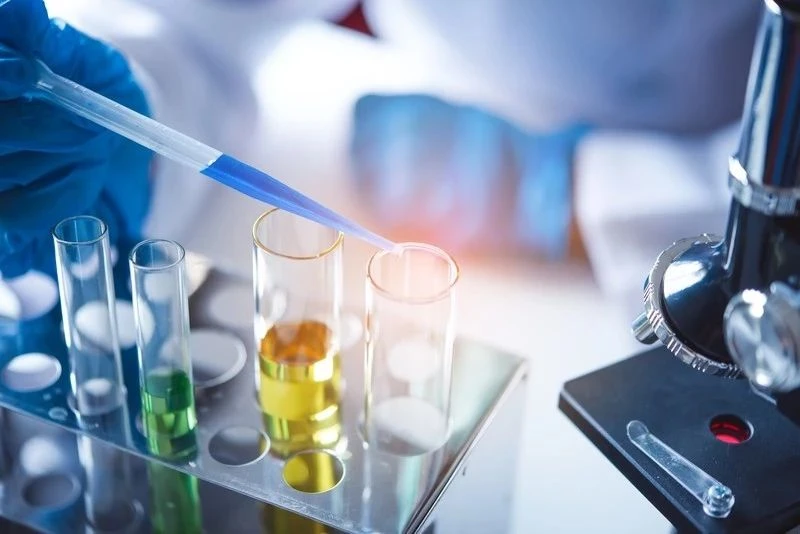
Select plants such as Coptis chinensis that contain active ingredients.
Solvent extraction
Use appropriate solvents (varying according to the process) to extract plants such as Coptis chinensis. The core is to extract the active ingredient berberine from them.