

What is the Resource Consumption of Anti - ED API?
As a supplier of anti - ED API, I've been deeply involved in understanding the intricacies of this industry. Anti - ED APIs play a crucial role in the pharmaceutical field, especially in the treatment of erectile dysfunction. In this blog, I'll delve into the resource consumption aspects associated with anti - ED APIs, which is a topic of great importance for both manufacturers and consumers.
Raw Materials
The production of anti - ED APIs requires a variety of raw materials. These raw materials are often sourced from different parts of the world, and their quality and availability can significantly impact the production process. For example, some of the key chemical components used in anti - ED APIs need to be of high purity. The extraction and refinement of these chemicals demand a substantial amount of natural resources.
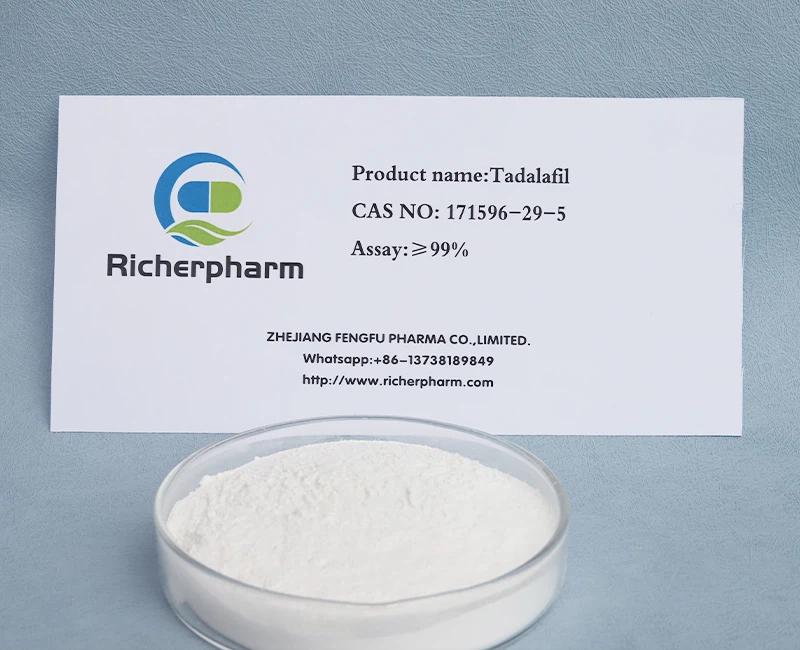
One well - known anti - ED API is Tadalafil. Tadalafil CAS 171596 - 29 - 5 is a popular active pharmaceutical ingredient. The synthesis of Tadalafil involves several chemical reactions, and each step requires specific raw materials. The production of these raw materials often involves mining, chemical processing, and other resource - intensive activities. The mining of minerals and the extraction of chemical precursors can lead to environmental degradation, including soil erosion, water pollution, and habitat destruction.
Moreover, the transportation of these raw materials also consumes a significant amount of energy. Raw materials are often sourced from different regions, and they need to be transported to the manufacturing facilities. This transportation process, whether by sea, land, or air, requires fuel, which contributes to greenhouse gas emissions and other environmental problems.
Energy
Energy consumption is another major aspect of anti - ED API production. The manufacturing process of anti - ED APIs is highly energy - intensive. It involves various steps such as chemical synthesis, purification, and drying. Each of these steps requires a significant amount of energy, mainly in the form of electricity and heat.
Chemical synthesis reactions often need to be carried out at specific temperatures and pressures, which require energy - consuming equipment such as reactors, heaters, and coolers. Purification processes, such as chromatography and distillation, also consume a large amount of energy. For example, distillation requires heating the mixture to separate different components, and this heating process consumes a substantial amount of energy.
In addition, the manufacturing facilities need to maintain a controlled environment, including temperature, humidity, and air quality. This requires the use of air - conditioning and ventilation systems, which further increase the energy consumption. The energy used in these facilities is often generated from non - renewable sources such as coal and natural gas, which not only contribute to environmental pollution but also face the problem of resource depletion.
Water
Water is an essential resource in the production of anti - ED APIs. It is used in various stages of the manufacturing process, including cleaning, cooling, and as a solvent in chemical reactions. The amount of water consumed in anti - ED API production can be quite large.
During the cleaning process, large volumes of water are used to wash the equipment and remove impurities. Cooling systems also require a continuous supply of water to maintain the temperature of the equipment. In addition, water is often used as a solvent in chemical reactions, and it needs to be of high quality to ensure the purity of the final product.
However, the consumption of water also brings some problems. The wastewater generated from the production process contains various chemicals and impurities, which need to be treated before being discharged into the environment. The treatment of wastewater requires additional resources, including energy and chemicals. If the wastewater is not properly treated, it can cause serious environmental pollution, affecting the water quality of rivers, lakes, and groundwater.
Labor and Equipment
In addition to raw materials, energy, and water, anti - ED API production also requires a significant amount of labor and equipment. Skilled workers are needed to operate the production equipment, monitor the production process, and ensure the quality of the products. The training and management of these workers also consume resources.
The production equipment, such as reactors, chromatographs, and dryers, needs to be purchased, installed, and maintained. The purchase of high - quality equipment requires a large amount of capital investment. Moreover, the maintenance of the equipment also requires spare parts, lubricants, and other resources. Over time, the equipment may become obsolete and need to be replaced, which further increases the resource consumption.
Environmental and Social Impacts
The high resource consumption of anti - ED API production has significant environmental and social impacts. From an environmental perspective, the extraction of raw materials, energy consumption, and water use can lead to environmental degradation, including air pollution, water pollution, and land degradation. These environmental problems can have a negative impact on human health and the ecosystem.
From a social perspective, the resource consumption of anti - ED API production can also lead to social problems. For example, the mining of raw materials may displace local communities, and the pollution caused by the production process may affect the health and livelihoods of local residents. In addition, the high cost of resource consumption may be passed on to the consumers, making the anti - ED drugs more expensive and less accessible to some people.
Sustainable Solutions
To address the resource consumption issues in anti - ED API production, several sustainable solutions can be adopted. Firstly, manufacturers can focus on improving the efficiency of raw material use. This can be achieved through better process design, recycling, and the use of alternative raw materials. For example, some manufacturers are exploring the use of renewable raw materials or waste materials as substitutes for traditional raw materials.
Secondly, energy efficiency can be improved by using more advanced production technologies and equipment. For example, the use of energy - efficient reactors, heaters, and coolers can reduce energy consumption. In addition, the use of renewable energy sources such as solar and wind power can also reduce the environmental impact of energy consumption.
Thirdly, water conservation measures can be implemented. This includes the reuse of wastewater, the improvement of water - using equipment efficiency, and the adoption of water - saving technologies. For example, some manufacturers are using closed - loop water systems to reduce water consumption.
Finally, social responsibility should be emphasized in the production process. Manufacturers should ensure that the production activities do not cause harm to local communities and the environment. They should also work with local communities to promote sustainable development.
Conclusion
In conclusion, the resource consumption of anti - ED API production is a complex issue that involves raw materials, energy, water, labor, and equipment. The high resource consumption has significant environmental and social impacts. However, through the adoption of sustainable solutions, such as improving resource efficiency, using renewable resources, and emphasizing social responsibility, we can reduce the resource consumption and environmental impact of anti - ED API production.
As a supplier of anti - ED APIs, we are committed to promoting sustainable production practices. We believe that by working together with our partners and customers, we can achieve a balance between meeting the demand for anti - ED drugs and protecting the environment. If you are interested in our anti - ED API products or have any questions about our sustainable production practices, please feel free to contact us for procurement and further discussions.
References
- Smith, J. (2018). Resource Management in the Pharmaceutical Industry. Journal of Pharmaceutical Sciences, 107(3), 892 - 901.
- Johnson, A. (2019). Environmental Impacts of API Production. Environmental Science & Technology, 53(12), 6890 - 6898.
- Brown, C. (2020). Sustainable Solutions for Resource - Intensive Industries. Sustainable Development Journal, 28(4), 345 - 356.