Why Choose Us?
One-stop solution
Zhejiang Fengfu Pharma Co.,Limited engaged in the development, production and marketing of pharmaceutical products, food ingredients, vitamins, intermediates and chemicals.
Rich experience
Fengfu Pharma,headquartered in Hangzhou, China, with 3 production bases in Shandong, Zhejiang and Hebei separately, which have many years of experience in the production of APIs, vitamins and chemical products. These facilities have been certified GMP, ISO, FAMI-QS, KOSHER, HALAL, etc.
High quality
We have complete control over our product development, design, and manufacturing processes, thanks to our advanced equipment, methods, and inspection facilities.
High quality service
Our goal is to provide you with quality products and professional services for mutual benefit. We are also willing to work with partners around the world to create a better future together.
Astaxanthin is a keto-carotenoid within a group of chemical compounds known as carotenones or terpenes. Astaxanthin is a metabolite of zeaxanthin and canthaxanthin, containing both hydroxyl and ketone functional groups.
It is a lipid-soluble pigment with red coloring properties, which result from the extended chain of conjugated (alternating double and single) double bonds at the center of the compound. The presence of the hydroxyl functional groups and the hydrophobic hydrocarbons render the molecule amphiphilic.
Sodium Carboxymethyl Cellulose CAS 9085-26-1
Product: Sodium Carboxymethyl Cellulose CAS 9085-26-1
Alternative Name: Sodium CMC; Sodium Carboxymethyl Cellulose; CAS 9085-26-1; 9085-26-1; Carboxymethyl Cellulose Sodium; CMC Sodium; Sodium CMC; CMC; Cellulose Gum;
Molecular formula: C8H16NaO8
Molecular mass: 265.204

Product: Non-dairy Creamer
Alternative Name: Non Dairy Coffee Creamer; Dairy Free Creamer; Dairy Free Powdered Creamer; Dairy Free Coffee Creamer; Natural Non Dairy Creamer; Non Dairy Powdered Creamer; No Dairy Coffee Creamer
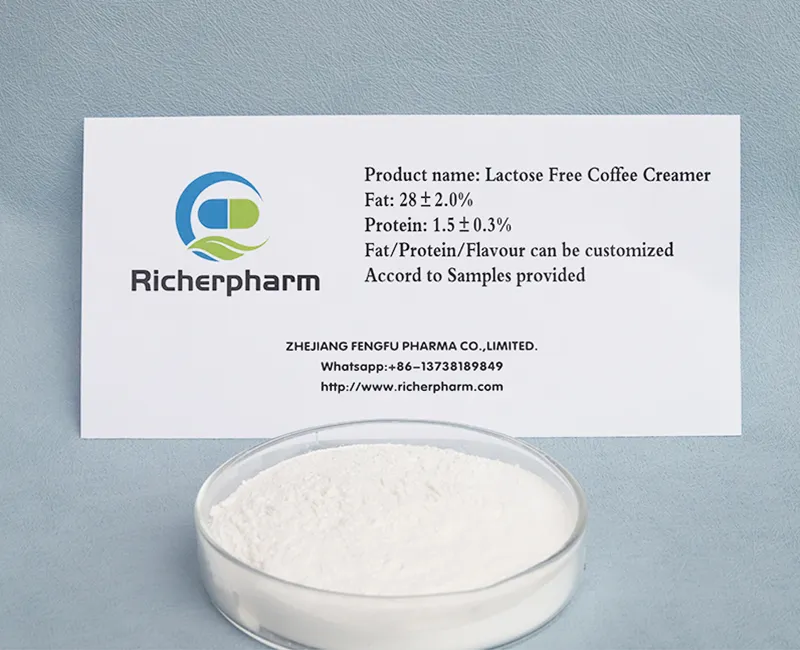
Product: Lactose Free Coffee Creamer
Alternative Name: Lactose Free Creamer; Non Lactose Coffee Creamer; Lactose Coffee Creamer; Dairy-free coffee creamer

Product: Fusidic Acid 6990-06-3Product: Plant Based Coffee Creamer
Alternative Name: Plant Based Creamer; Plant Based Creamer for Coffee; non-dairy coffee creamer
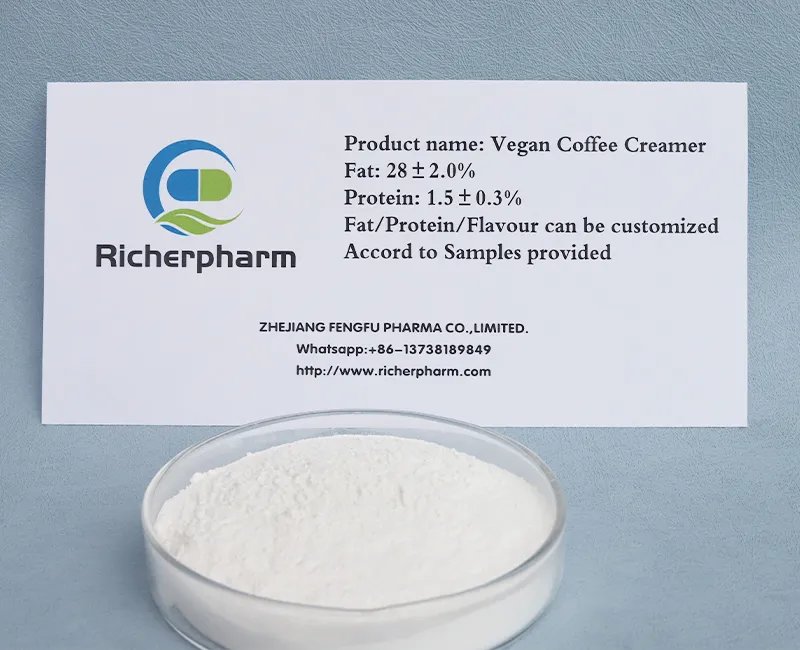
Product: Vegan Coffee Creamer
Alternative Name: Vegan Non Dairy Creamer; Organic Non Dairy Creamer; Vegan Powdered Creamer; Vegan Creamer; Plant-based coffee creamer
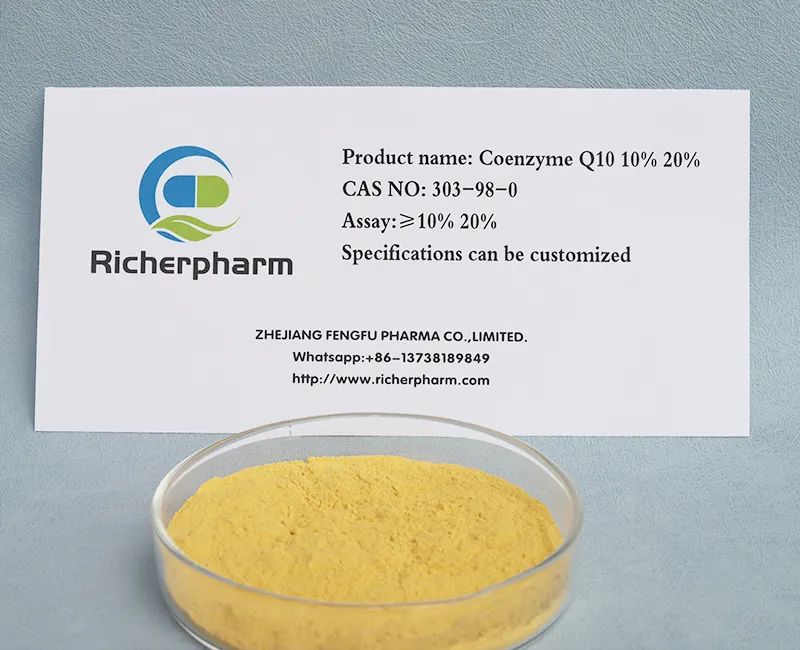
Coenzyme Q10 10% 20% CAS 303-98-0
Product: Coenzyme Q10 10% 20% CAS 303-98-0
Alternative Name: Coenzyme Q10 10% 20%; CAS 303-98-0; 303-98-0; CoQ10; Ubiquinone; Ubidecarenone

Product: Astaxanthin CAS 472-61-7
Alternative Name: Astaxanthin; CAS 472-61-7; 472-61-7; Haematococcus Extract; Natural red pigment; E161j
Astaxanthin is an antioxidant. That means it helps reduce a natural process in your body called oxidation. This process may play a role in many diseases and changes such as:
● Aging
● Cancer
● Heart disease
● Eye diseases like cataracts and macular degeneration
● Alzheimer's disease
● Parkinson's disease
Astaxanthin can also reduce inflammation. It might be useful as a treatment for problems that involve inflammation, such as:
● Rheumatoid arthritis
● Carpal tunnel syndrome
Laboratory research has found that an extract from algae that makes astaxanthin slowed the growth of breast and skin cancer cells.
Astaxanthin might help the heart in a number of ways, as well. It may be helpful in preventing plaque buildup in arteries in the heart.
It may also help protect heart muscle from damage from lack of oxygen. This can happen during a heart attack.
Also, by reducing oxidation in the brain, it may protect against Alzheimer's and Parkinson's diseases.
Astaxanthin may reduce the growth of H. pylori bacteria, which cause peptic ulcers. It may also help protect against kidney damage from diabetes. And it may stimulate the immune system.
However, more research is needed before astaxanthin can be recommended for any of these uses.
Supplement makers may suggest varying amounts of astaxanthin for different purposes. Most of the small research studies to date have used between 2 mg and 12 mg daily. However, optimal doses of astaxanthin have not been set for any condition. Quality and active ingredients in supplements may vary widely. This makes it difficult to set a standard dose.
Pregnancy/nursing
Antioxidant supplements have exhibited a positive correlation with fertility however this product is not recommended during pregnancy or breastfeeding due to lack of safety studies in these areas.
Interactions
No well-documented interactions have been identified apart from a potential to interact with hormone altering drugs such as a 5-alpha-reductase inhibitor.
Side Effects
With extreme doses (48mg daily) feces may turn a reddish hue due to the red pigmentation of astaxanthin.
Toxicities
Doses of up to 50mg have been tolerated. An upper toxicity limit is not known. Note not all astaxanthin is biosynthesized by living microalgae. Synthetic astaxanthin made in laboratories from petrochemicals has not been approved for human consumption.
Cue astaxanthin - often called nature's strongest antioxidant.
Astaxanthin belongs to a class of naturally-occurring pigments called carotenoids. There are more than 700 naturally-occurring carotenoids, most people are probably only familiar with a few and the most common one is beta-carotene.
Astaxanthin is found in a specific type of microalgae and in the sea creatures that consume it including salmon and krill. Indeed it is found in very high amounts in the muscles of salmon and is the carotenoid that gives salmon its pink-red color. It is said to be responsible for the endurance salmon need to swim upstream during the spawning season - salmon can in fact jump four times their length in order to ascend water falls. Interestingly, it is the higher astaxanthin content that gives wild caught salmon a brighter red colour than the farmed variety.
Astaxanthin already has a dedicated following among long distance runners and triathletes
Research has shown a correlation between strenuous exercise and the overproduction of both free radicals and oxidative stress. This can reduce antioxidant system efficiency and damage muscles, which can delay workout recovery time. Research has found that astaxanthin may support muscle function and endurance, and could help athletes to combat the impact of stress on their performance by reducing the free radicals produced by exercise.
In fact astaxanthin as a supplement now has a fairly dedicated following among long distance runners and triathletes as well as many athletes, especially endurance athletes.
The properties of this remarkable antioxidant that make it beneficial to salmon swimming upstream are also beneficial to humans looking to accomplish feats of endurance. This is because:
● It may reduce free radicals to speed recovery time.
● It reduces production and storage of lactic acid - this reduces muscle soreness and recovery time.
● It helps mitochondria function - when you strenuously exercise your muscles the mitochondria produce more energy but this has the side effect of producing free radicals. These free radicals can damage your cell membranes - the more strenuous the workout, the more free radicals you produce. The bottom line being that you can end up with tired and sore muscles.
As a powerful antioxidant, astaxanthin has been shown to effectively scavenge free radicals from muscle tissue and support more efficient mitochondria function thereby potentially giving your strength, stamina, and endurance a healthful boost.
● Astaxanthin boosts skin moisture and elasticity
When the skin is exposed to sunlight, ultraviolet rays cause damage by generating free radicals. These free radicals degrade the skin's collagen, which is there to act as a natural scaffold. Studies have demonstrated the ability of astaxanthin to neutralise free radicals and boost skin moisture and elasticity, while decreasing the appearance of fine lines and age spots.
● Astaxanthin is great for eye health
Certain parts of the eye are light sensitive, they have to be as it enables us to see. However, ultraviolet light can also damage the eye's delicate structures by generating destructive reactive oxygen species (ROS). Research into eye health has consistently shown astaxanthin's ability as an antioxidant to neutralise ROS and other free radicals.
Astaxanthin slows progression of atherosclerosis
Research has shown that astaxanthin may prevent oxidative stress and slow the progression of atherosclerosis (the build-up of plaque on arterial walls). In addition, astaxanthin increases 'good' cholesterol levels (HDL) and lowers 'bad' cholesterol levels (LDL).
What Are the Drug Interactions of Astaxanthin
Astaxanthin may increase bleeding caused by drugs like warfarin, aspirin, clopidogrel and nonsteroidal anti-inflammatory drugs (NSAIDs), or supplements like gingko biloba, garlic and saw palmetto.
It may enhance the blood glucose-lowering effect of antidiabetes medications, blood pressure lowering effect of antihypertensive drugs, the calcium lowering effect of parathyroid disorders treatment.
It may also interfere with the effect of asthma medications like cetirizine and azelastine, as well as of cholesterol-lowering drugs.
It may enhance the effects of 5-alpha-reductase inhibitors resulting in adverse effects.
It may have an additive effect with anti-H.pylori drugs.
It may alter the effects of drugs metabolized in the liver; therefore dosage adjustment may be required. It may also alter the effects of menopausal drugs and oral contraceptives.
Since astaxanthin can increase immunity, it can interfere with the effect of immunosuppressants.
Interactions may occur with other herbal supplements including beta carotene.
Drugs like cholestyramine and colestipol may reduce the absorption of astaxanthin.
Astaxanthin is an antioxidant. It helps reduce a natural process called oxidation in the body. This, in turn, helps in ways.
● Anti-Aging
● Cancer prevention
● Reducing Chances of Heart disease,
● Alzheimer's disease,
● Parkinson's disease,
● Eye diseases like cataracts and macular degeneration
Moreover, it also helps with the following
● Slows the growth of skin cancer cells
● Prevents plaque buildup in arteries
● Protects the heart from lack of oxygen
● Reduces the growth of H. pylori bacteria and prevent peptic ulcers.
● Boosts immune functions.
Balance of reproductive hormones in females is different than in males. Testosterone and DHT levels are generally much lower in females. However, some women may experience a particular pattern of hormone imbalance where there is reduced estrogen and progesterone while having excess levels of androgen hormones. The presence of excess DHT hormone can lead to hair loss as well.
Astaxanthin has a relationship with female hormone balance. One study in adult women found that six months of daily intake of a combination supplement including astaxanthin improved hair growth and reduced hair shedding. Due to multiple ingredients in formula, it cannot be extrapolated to conclude that astaxanthin specifically helps with hair growth. But we do know that astaxanthin can support antioxidant capacity to combat oxidative stress, a process that may protect hair growth in general.
An animal study showed that astaxanthin can improve ovarian function by alleviating the oxidative stress in developing follicles and ovarian cells caused by BPA administration. BPA is a common chemical found in hard plastics that can disrupt female hormone production. In this study, astaxanthin supplementation enabled the cells to mature normally and restore production of estrogen and progesterone.
New moms may experience excess hair shedding during the postpartum period after having a baby. Experts say that falling levels of estrogen during this time is the cause, and this is a normal and often temporary process. If hair loss continues beyond a few months, this may point to additional issues that need to be addressed, such as nutrient deficiencies. Always express hair loss concerns with your dermatologist.
Additional factors of nutrition can also contribute to hair loss. Adequate nutrients are needed for hair growth. One study found a correlation between lysine (an essential amino acid) and iron supporting healthy hair. Lysine is essential for collagen production, which is vital for hair growth and hair follicle health. Other research also shows that astaxanthin reduces the breakdown of collagen in the skin that can result from common environmental factors. Remember to always measure iron levels before supplementing since iron in high levels can be toxic.
Blood sugar imbalances leading to higher levels of insulin are also well documented as a mechanism behind higher levels of testosterone in some women.
Antioxidant
As you may be aware, antioxidants are good for you. Astaxanthin's antioxidant properties provide the main source of the health claims and benefits of the supplement, particularly when used to help treat cancer.
It's been linkedTrusted Source to improved blood flow, and lowering oxidative stress in smokers and overweight people. A comparison studyTrusted Source of astaxanthin and other carotenoids showed that it displayed the highest antioxidant activity against free radicals.
Cancer
Because of its antioxidant properties, there has been a lot of research on how astaxanthin might help to treat various cancers. One studyTrusted Source found short- and long-term benefits for the treatment of breast cancer, including reduced growth of breast cancer cells.
The high cost of purified astaxanthin has limited its use in further studies and cancer treatments.
The skin
Astaxanthin can be used topically to promote healthy skin. A 2012 study showed that combining topical and oral doses of astaxanthin can help to smooth wrinkles, make age spots smaller, and help maintain skin moisture. There were positive results in both men and women, but more study is needed to confirm these findings.
Exercise supplement
There has been a lot of study on how astaxanthin can affect endurance, as well as fatigue levels after exercise. Studies on mice show that it can boost the body's use of fatty acidsTrusted Source, which helps endurance, and prevent muscle and skeletal damage.
So far, however, evidence for its effects on human exercise is still lacking. One studyTrusted Source using human subjects found no exercise benefits from astaxanthin supplements in relation to muscle injury.
Heart health
Researchers are also looking into claims that astaxanthin can benefit heart health. A 2006 studyTrusted Source examined astaxanthin's effects on rats with hypertension (high blood pressure), and results indicated that it may help to improve elastin levels and arterial wall thickness.
Other claims include the notion that astaxanthin can prevent heart disease and help lower cholesterol, but there isn't sufficient evidence to support these uses yet.
Joint pain
Astaxanthin may also have a future in the treatment of joint pain, including conditions like rheumatoid arthritis, which affects nearly one in every five AmericansTrusted Source, and carpal tunnel syndrome. However, results so far have been mixed.
Some studies show that astaxanthin may be able to reduce inflammation and pain symptoms related to arthritis. However, a studyTrusted Source on the relationship between astaxanthin and carpal tunnel syndrome found no evidence to support the claim.
Male fertility
In a 2005 studyTrusted Source, astaxanthin showed positive results for male fertility. Over the course of three months, the double-blind study examined 30 different men who were previously suffering from infertility.
The researchers saw improvements in sperm parameters, like count and motility, and improved fertility in the group who received a strong dosage of astaxanthin. As this was a relatively small-scale study, more evidence and research is needed to support this claim.
Our Factory
Zhejiang Fengfu Pharma Co.,Limited engaged in the development, production and marketing of pharmaceutical products, food ingredients, vitamins, intermediates and chemicals.
Fengfu Pharma,headquartered in Hangzhou, China, with 3 production bases in Shandong, Zhejiang and Hebei separately, which have many years of experience in the production of APIs, vitamins and chemical products. These facilities have been certified GMP, ISO, FAMI-QS, KOSHER, HALAL, etc. We have complete control over our product development, design, and manufacturing processes, thanks to our advanced equipment, methods, and inspection facilities.
With key competencies in pharmaceuticals and food health, Fengfu Pharma has established extensive business networks around the world. We have Strategic Marketing Partners respectively in Mumbai and Dubai. We are ready to provide you with our best products and services.
Our goal is to provide you with quality products and professional services for mutual benefit. We are also willing to work with partners around the world to create a better future together.

FAQ
Hot Tags: astaxanthin cas 472-61-7, China astaxanthin cas 472-61-7 manufacturers, suppliers, factory, plastic intermediates, api for human biometric data, pure intermediates, api for human nutrition data, api for human learning data, custom intermediates